

Rising Expenses Reshape Everyday Life in India
Economics Educator | Master’s in Economics
Every household has a silent storyteller—the monthly budget. In recent times, it has begun to reveal a worrying pattern. From vegetables in the kitchen to fuel in vehicles and fees in classrooms, the cost of living in India is steadily rising, quietly reshaping everyday life.
At the center of this change lies inflation, which refers to a continuous increase in the general price level of goods and services. While a certain level of inflation reflects economic growth, persistent inflation reduces the purchasing power of money. In simple terms, the same amount of money now buys fewer goods than it did before.
The reasons behind rising expenses are both domestic and global. One major cause is the imbalance between demand and supply. When demand exceeds supply, prices naturally increase. In addition, rising production costs—especially fuel, electricity, and transportation—force producers to charge more, passing the burden on to consumers.
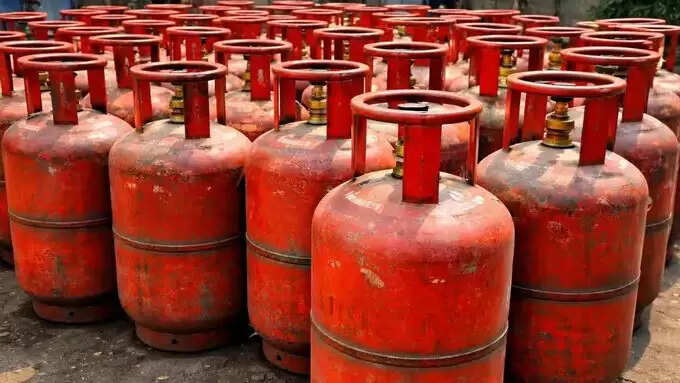
This economic reality is clearly visible in daily life. The rising price of LPG cylinders has become a common concern in Indian households. What was once an easily manageable expense has now turned into a significant part of the monthly budget. Families are adjusting their usage patterns, highlighting how inflation directly affects even the most basic needs.
Global developments have further intensified the situation. During the COVID-19 pandemic, disruptions in supply chains led to shortages and price increases. Soon after, the Russia-Ukraine War caused a surge in global crude oil prices. As India relies heavily on oil imports, this resulted in higher fuel prices. Increased transportation costs then pushed up the prices of essential goods, creating a chain reaction across the economy.
The impact of rising expenses is not uniform. Middle- and lower-income families face the greatest challenge, as a large portion of their income is spent on necessities. Savings decline, financial pressure increases, and maintaining a stable standard of living becomes difficult. Students are also affected, as the cost of education and coaching continues to rise.
To control inflation, the government works in coordination with the Reserve Bank of India, which uses tools such as interest rate adjustments and control of money supply. However, in today’s interconnected global economy, managing inflation remains a complex task.
In conclusion, the rise in expenses is more than just an economic trend—it is a day-to-day reality shaping the lives of millions. A change in fuel prices can influence the cost of almost everything, showing how closely linked different sectors of the economy are. Careful policy decisions and smart financial planning at the household level are essential to ensure stability in the face of rising costs.